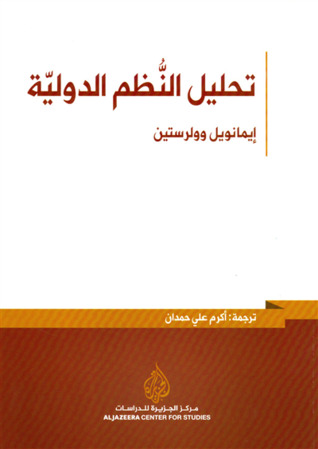
امانوئل والرشتاین در تحلیل سیستمهای جهانی، مقدمهای مختصر و در دسترس از رویکرد جامعی که سی سال پیش برای درک تاریخ و توسعه دنیای مدرن پیشگام بود، ارائه میکند. از زمانی که والرشتاین برای اولین بار تجزیه و تحلیل سیستم های جهانی را توسعه داد، به روشی پرکاربرد در علوم اجتماعی تاریخی و نقطه مرجع مشترک در بحث های جهانی شدن تبدیل شده است. اکنون، برای اولین بار در یک جلد، والرشتاین خلاصهای مختصر از تحلیل نظامهای جهانی و طرح کلی روشنی از نظام جهانی مدرن ارائه میکند و ساختارهای دانشی را که بر آن مبتنی است، مکانیسمهای آن و آیندهاش را توصیف میکند. دورههای زمانی، و با ترکیب در یک چارچوب تحلیلی واحد، مجموعههای دانشی که معمولاً از یکدیگر متمایز میشوند - مانند تاریخ، علوم سیاسی، اقتصاد و جامعهشناسی. او نظام جهانی را به عنوان یک واقعیت اجتماعی متشکل از ملت ها، شرکت ها، خانواده ها، طبقات و گروه های هویتی به هم پیوسته از همه نوع توصیف می کند. او اهمیت لحظات کلیدی در تکامل نظام جهانی مدرن را شناسایی و برجسته میکند: توسعه اقتصاد جهانی سرمایهداری در قرن شانزدهم، آغاز دو قرن تمرکزگرایی لیبرال در انقلاب فرانسه در سال 1789، و تضعیف آن مرکزگرایی در شورشهای جهانی 196، دانشجویان و دانشجویان با تجربه برای پایان یافتن 196. به طور مشابه، این کتاب یک نمای کلی از تجزیه و تحلیل سیستم های جهان توسط معمار اصلی خود را ارائه می دهد.
خواندن متن اصلی انگلیسی
In World-Systems Analysis, Immanuel Wallerstein provides a concise and accessible introduction to the comprehensive approach that he pioneered thirty years ago to understanding the history and development of the modern world. Since Wallerstein first developed world-systems analysis, it has become a widely utilized methodology within the historical social sciences and a common point of reference in discussions of globalization. Now, for the first time in one volume, Wallerstein offers a succinct summary of world-systems analysis and a clear outline of the modern world-system, describing the structures of knowledge upon which it is based, its mechanisms, and its future.Wallerstein explains the defining characteristics of world-systems analysis: its emphasis on world-systems rather than nation-states, on the need to consider historical processes as they unfold over long periods of time, and on combining within a single analytical framework bodies of knowledge usually viewed as distinct from one another—such as history, political science, economics, and sociology. He describes the world-system as a social reality comprised of interconnected nations, firms, households, classes, and identity groups of all kinds. He identifies and highlights the significance of the key moments in the evolution of the modern world-system: the development of a capitalist world-economy in the sixteenth-century, the beginning of two centuries of liberal centrism in the French Revolution of 1789, and the undermining of that centrism in the global revolts of 1968. Intended for general readers, students, and experienced practitioners alike, this book presents a complete overview of world-systems analysis by its original architect.
شناسنامهٔ کتاب
- تعداد صفحات
- ۱۲۸
- زبان
- Arabic
- ناشر
- مركز الجزيرة للدراسات
- شابک
- 9780000000000